Start with what Kentucky requires, then protect what you’ve built
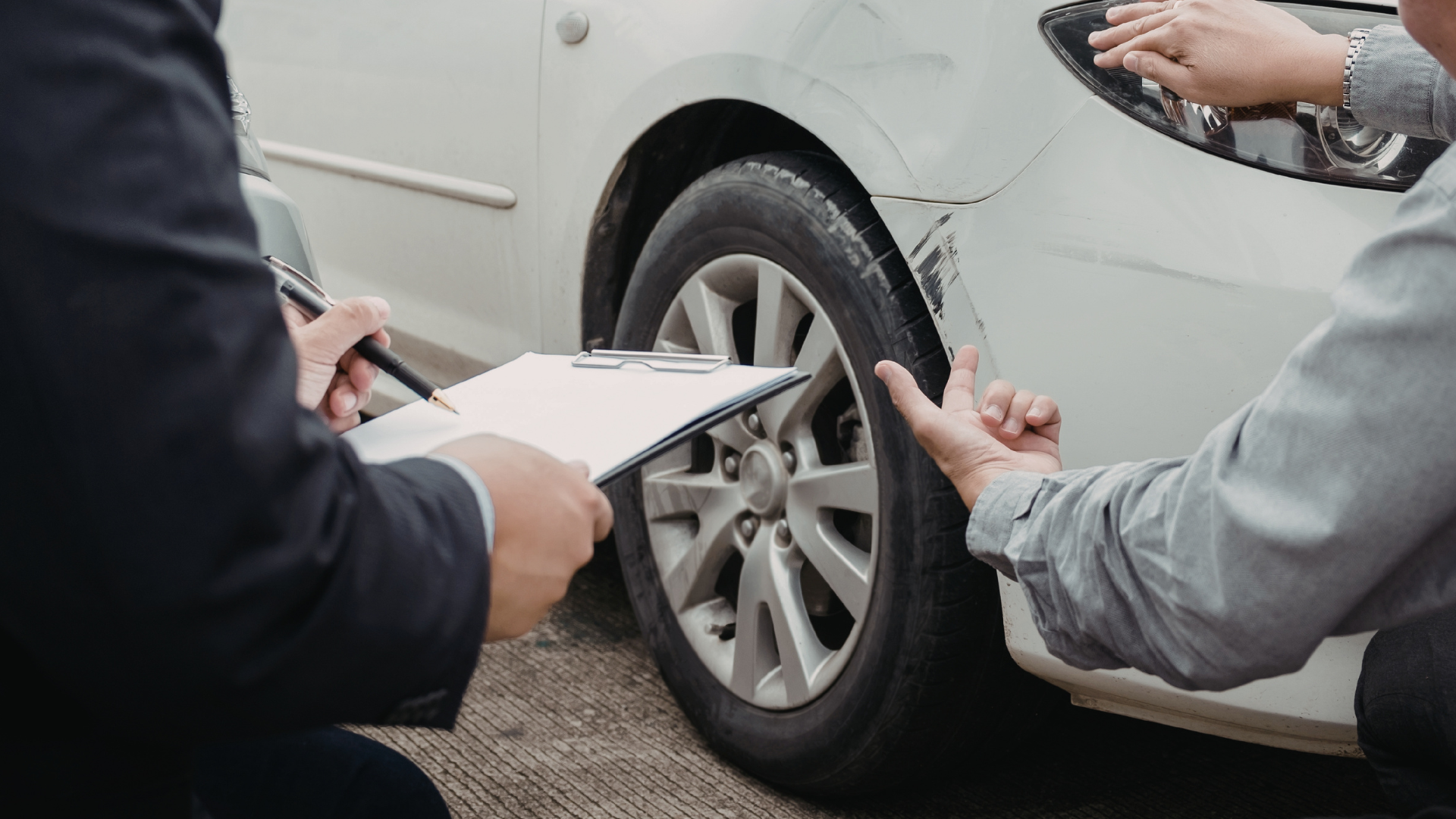
Auto insurance is easy to treat like a checkbox until you need it. In Covington, KY, you need liability coverage to legally drive, but “minimum required” and “financially protected” are not the same thing. We help drivers across Covington, Fort Thomas, Erlanger, Taylor Mill, and Independence choose coverage that matches their real-world risk: your commute, your vehicle value, your household drivers, and the assets you’ve worked hard to build.
A smart plan starts with the basics, bodily injury and property damage liability, then fills the gaps that cause the biggest surprises after a claim. Those gaps usually include medical bills, lawsuits, vehicle repairs, uninsured drivers, and non-collision losses like theft or storm damage. The right policy isn’t about complexity. It’s about clarity: what’s covered, what isn’t, and what you’re on the hook for if something goes wrong.
Understand liability insurance before you compare anything else
Liability is the foundation of auto insurance. If you cause an accident, liability coverage helps pay for injuries and property damage you’re responsible for, up to your limits. The risk in choosing limits that are too low isn’t theoretical. Modern vehicles cost more to repair, medical care is expensive, and multi-car accidents happen in real traffic, including the daily flow between Covington and Cincinnati over Ohio River crossings like the John A. Roebling Suspension Bridge.
We walk you through liability limits in plain language and relate them to real scenarios such as a rear-end collision with injuries, a chain reaction in heavy traffic, or damage to multiple vehicles. If you have savings, a home, or a growing income, your liability strategy should reflect that. Liability is also where lawsuits come into play, and we help clients understand how their liability coverage works when legal action is involved.
Decide whether your car needs comprehensive and collision coverage
After liability, the next big decision is whether to insure your own vehicle for damage. Collision generally helps pay for your car if you hit another vehicle or object. Comprehensive typically applies to non-collision events such as theft, vandalism, falling objects, and some weather-related losses.
If your vehicle is newer, financed, or simply important for keeping your routine on track, these coverages can be the difference between a manageable claim and being stuck without transportation. We help you evaluate this based on vehicle value, how long you plan to keep it, your driving patterns, and how much risk you’re comfortable absorbing yourself.
Don’t overlook uninsured and underinsured motorist protection
One of the most frustrating claims scenarios is getting hit by someone who can’t fully pay for the damage they caused. Uninsured and underinsured motorist coverage is designed for that gap. It can be especially important if you drive frequently, have family passengers, or want added protection from the financial consequences of someone else’s poor decisions.
We’ll discuss how this coverage works, how it interacts with medical expenses, and what “underinsured” can mean in practice. In many cases, it means the other driver has insurance, but not enough to handle the injuries or damages involved.
Medical coverage options matter more than most drivers think
Many people assume health insurance will handle everything after a crash. Real life is messier, and deductibles, co-insurance, out-of-network treatment, and lost time can hit fast. Auto policies can include medical-related options that help cover immediate care for you and your passengers, depending on how the policy is structured.
We help you think through household needs such as kids, teen drivers, older parents who ride with you, and rideshare use, then build a plan that supports you immediately after an accident instead of weeks later.
Add the right extras for how you actually drive in Northern Kentucky
A policy that fits your life includes practical pieces that keep a disruption from becoming a crisis. Depending on your needs, that can include roadside assistance, rental reimbursement, and coverage considerations if you commute across state lines for work or frequently drive between Northern Kentucky communities.
We also talk through household driver management, including adding a teen driver, adding a new vehicle, or changing commuting patterns. When life changes, your risk profile changes, and your auto insurance should keep pace.
How bundling auto and home insurance can reduce coverage gaps
Many coverage issues show up when policies are purchased in isolation. When we review your auto insurance alongside your home, renters, or condo coverage, we can spot mismatches, like liability that’s strong on one policy and weak on another, or deductibles that don’t align with how you want to handle risk.
Even if you’re not changing policies today, reviewing your auto insurance next to your broader protection plan helps prevent blind spots. We’re set up to help with auto and home insurance as part of a complete approach.
What to bring to an auto insurance review with our team
If you want real recommendations, not generic advice, it helps to have a few items ready. Bring your current policy declarations page so we can see your limits, deductibles, drivers, and vehicles. Have your vehicle info available, including year, make, model, and how the vehicle is used day to day. We’ll also want basic driver details, such as who is in the household, whether anything has changed recently, and what your commuting patterns look like. If you’ve had recent claims or tickets you want to discuss, those are useful to include as well.
Most importantly, bring your questions, including the ones you’ve avoided asking because insurance conversations can get overly technical. Our goal is to simplify the process and give you straightforward answers. When you’re ready, you can call us or request guidance through our Covington office.
Why local guidance matters when choosing auto insurance in Covington
Auto insurance isn’t one-size-fits-all. Covington drivers have unique realities: dense city traffic, bridge crossings into Cincinnati, changing weather, and a mix of urban and neighborhood roads across Fort Thomas, Erlanger, and Taylor Mill. When you work with a local team, you get advice grounded in how people actually drive here, so your coverage makes sense for your daily life.
Covington is built on long-term value, and you can feel it when you visit places like the Cathedral Basilica of the Assumption. Your insurance should be built the same way: structured thoughtfully, maintained consistently, and ready when you need it.
FAQs
What should I review on my auto insurance policy each renewal?
Review liability limits, comprehensive and collision deductibles, listed drivers, vehicle usage, and uninsured and underinsured motorist coverage. Any change in drivers, commuting, or vehicles is a reason to update the policy.
Do I need full coverage if my car is paid off?
Not always, but many paid-off vehicles still benefit from comprehensive and collision depending on the car’s value, your savings cushion, and how disruptive a major repair would be.
How do I know if my liability limits are high enough?
Consider what you could be responsible for in a serious accident, including medical costs, multiple vehicles, and potential legal action. If you have assets to protect, stronger limits can help reduce personal exposure.
What happens if I’m hit by someone without enough insurance?
Uninsured and underinsured motorist coverage is designed for this scenario. It may help cover injuries and damages when the at-fault driver has no insurance or limits that are too low.
Can I get auto insurance help if I’m also reviewing home or renters insurance?
Yes. We can review auto alongside home, condo, or renters coverage to reduce gaps and keep your overall protection consistent.